Drone Manufacturing: Materials Science & Engineering Innovations
Mar 28, 2024
Leave a message
The field of drone manufacturing is undergoing a profound transformation, largely driven by advancements in materials science and engineering. As drones become increasingly integrated into various industries and applications, the demand for lightweight, durable, and high-performance materials has never been higher. This article delves into the intricate world of materials science and engineering in drone manufacturing, examining how these disciplines shape the design, performance, and sustainability of drones.
Characteristics and Selection of Drone Materials
Material Characteristics and Performance Requirements
Drones operate in diverse environments and conditions, necessitating materials with specific characteristics. Strength, lightweight, durability, and resistance to corrosion and fatigue are critical attributes. For instance, aerospace-grade aluminum alloys offer a balance of strength and weight for structural components, while carbon fiber composites provide exceptional strength-to-weight ratios for frames and propellers.
Material Selection and Optimization
The selection of materials for drone manufacturing involves a meticulous evaluation of performance, cost, and manufacturability. Engineers often conduct extensive research to identify materials that meet stringent requirements while optimizing factors like weight, cost, and environmental impact. Moreover, ongoing advancements in material processing techniques, such as additive manufacturing and nanostructuring, enable the optimization of material properties for specific drone applications.
Material Engineering and Manufacturing Processes
Material Design and Engineering
Material design and engineering play a pivotal role in tailoring materials to meet the demands of drone applications. Through alloying, surface treatments, and microstructure manipulation, engineers can enhance material properties such as strength, ductility, and fatigue resistance. Computational modeling and simulation techniques aid in predicting material behavior under varying conditions, facilitating informed design decisions and performance optimization.
Advanced Manufacturing Technologies and Processes
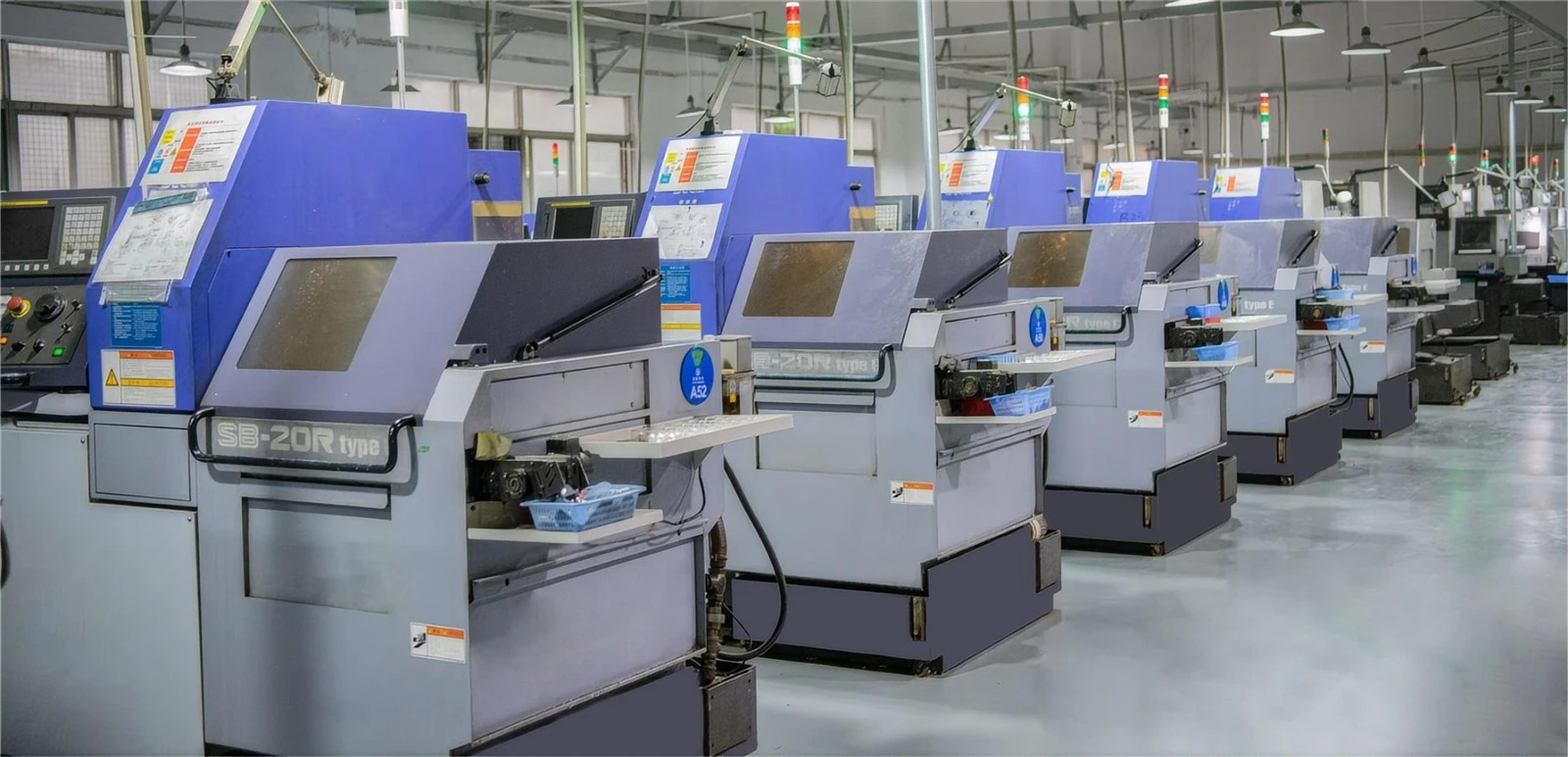
The advent of advanced manufacturing technologies has revolutionized drone manufacturing processes. Additive manufacturing, also known as 3D printing, allows for the fabrication of complex geometries with precision and efficiency, reducing material waste and lead times. CNC machining, automated composite layup, and laser cutting enable the production of high-quality components with tight tolerances. These technologies enhance production flexibility, scalability, and customization capabilities in the drone industry.
Future Developments and Innovation Trends
Research and Development of New Materials
The future of drone manufacturing hinges on the continuous research and development of new materials with superior properties and functionalities. Emerging materials such as graphene, aerogels, and meta-materials offer exciting prospects for enhancing drone performance, resilience, and energy efficiency. Moreover, the integration of sustainable and eco-friendly materials aligns with the industry's growing emphasis on environmental stewardship and circular economy principles.
Materials Science and Intelligent Manufacturing
The intersection of materials science and intelligent manufacturing technologies presents unprecedented opportunities for innovation in drone manufacturing. Smart materials embedded with sensors and actuators enable self-monitoring, adaptive functionalities, and structural health monitoring in drones. Furthermore, the integration of artificial intelligence and machine learning algorithms in manufacturing processes enhances automation, quality control, and predictive maintenance, driving efficiency and reliability in drone production.
Conclusion
In conclusion, materials science and engineering serve as the backbone of innovation and progress in drone manufacturing. By leveraging advanced materials, optimizing manufacturing processes, and embracing intelligent technologies, the industry can push the boundaries of performance, sustainability, and functionality in drones. Continued collaboration between researchers, engineers, and industry stakeholders will propel the evolution of materials science and engineering in drone manufacturing, shaping the future of unmanned aerial vehicles in a rapidly changing world.