Different bones, different screws
Dec 13, 2021
Leave a message
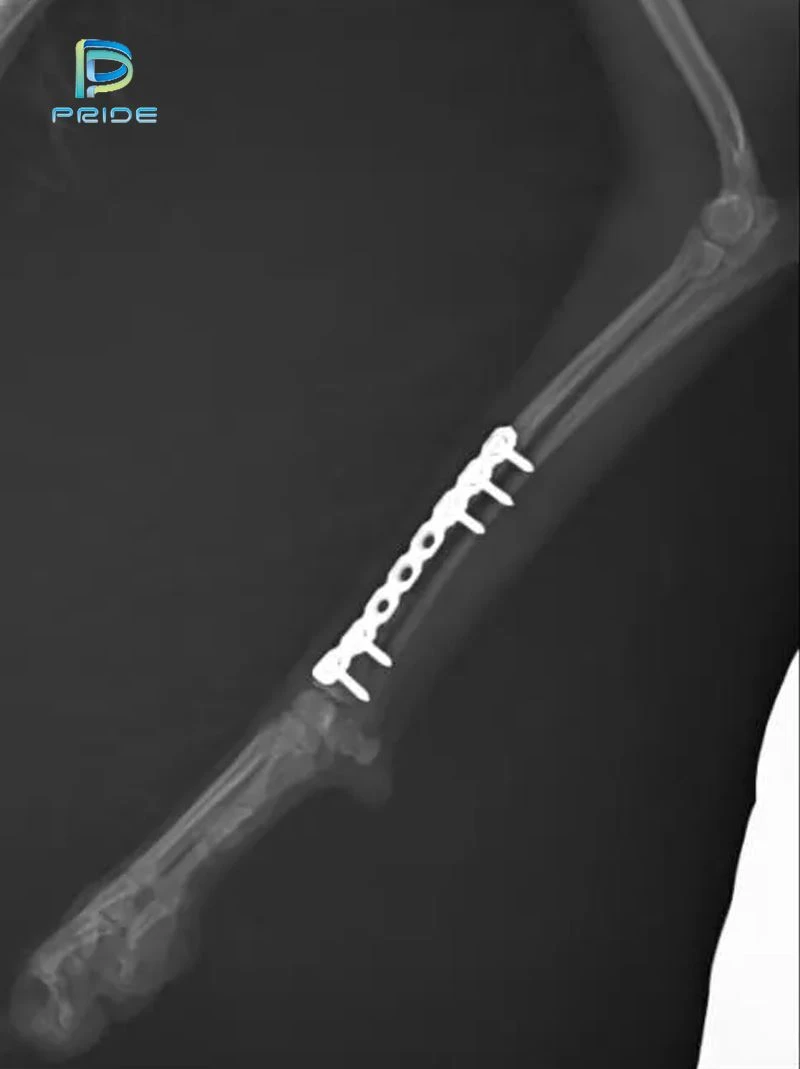
In a study comparing the strength of four commercially available bone screws with different pitch, screw retention was related to bone density, thread design, and the number of threads that meshed the bone. Since different bone types have different densities, it makes sense that the bone type has an impact on screw design.
Cortical (or compact) bone forms the hard, dense outer layer of bone that provides support for the body and helps protect internal organs. These smooth, white, sturdy bones make up about 80 percent of an adult's body weight.
Cancellous bones (also known as spongy bones) form the internal network of tissues that form human bones, usually at the tips of other bones, near joints, and within vertebrae. Cancellous bone is less dense, softer, and more flexible than cortical bone.
Therefore, CNC Swiss machining can be used to manufacture screws whose threading, pitch and other functions vary according to the type of bone to be used:
Cortical screws - also known as cortical screws - are designed for tight grip and provide maximum stability when inserted into cortical bone. These sturdy screws have small spacing, shallow threads with close spacing along the entire length, and usually have blunt ends. Cortical screws are typically 0.059" (1.5 mm) to 0.177" (4.5 mm) in length.
Cancellous screws, designed to fix cancellous bone, are longer and have greater spacing than cortical screws. Cancellous threads are cut deeper and more widely spaced, and the shaft may be fully threaded or only partially threaded. Screw lengths are typically 0.138" (3.5 mm) to 0.256" (6.5 mm).
Pride processing products in Europe and the United States, Japan and South Korea, the Middle East, Southeast Asia are widely praised.
Please contact us at zhang@pride-cnc.com