Dental Nozzle Manufacturing: Materials, Techniques, and Quality Control
Jan 04, 2024
Leave a message
In the realm of modern dentistry, precision and reliability are paramount. One often-overlooked component that plays a pivotal role in dental procedures is the dental nozzle. These seemingly small devices are responsible for delivering precise air and water streams, making them indispensable for dental professionals. In this article, we delve into the intricate world of dental nozzle manufacturing, exploring the materials, techniques, and stringent quality control processes that ensure their efficiency and reliability.
The key role of dental nozzles
The significance of dental nozzles cannot be overstated. They are the unsung heroes in dental procedures, responsible for controlling the flow of air and water with unparalleled precision. Whether it's a routine cleaning or a complex surgical intervention, dental professionals rely on these nozzles for accuracy and patient comfort.
When a dentist picks up a handpiece, they trust that the dental nozzle will provide the necessary control to deliver efficient and precise treatments. Dental nozzle design and manufacturing play a pivotal role in ensuring optimal patient care.
Key Material Selection
The choice of materials for dental nozzle manufacturing is a critical decision that directly impacts performance and durability. Several materials have proven effective in dental applications, each with its unique advantages:
Stainless Steel: Stainless steel is a popular choice due to its exceptional durability and resistance to corrosion. It ensures that dental nozzles can withstand daily use while maintaining their integrity.
Titanium Alloys: Titanium alloys offer a perfect blend of strength and biocompatibility, making them ideal for dental nozzle applications. Their lightweight properties and resistance to corrosion contribute to the overall efficiency of dental procedures.
Ceramic Materials: Advanced ceramics like zirconia are gaining recognition for their biocompatibility and resistance to wear. These materials are particularly suitable for specialized dental procedures where their unique properties shine.
The selection of material depends on the specific requirements of the dental procedure and the intended use of the nozzle.
The key to manufacturing technology
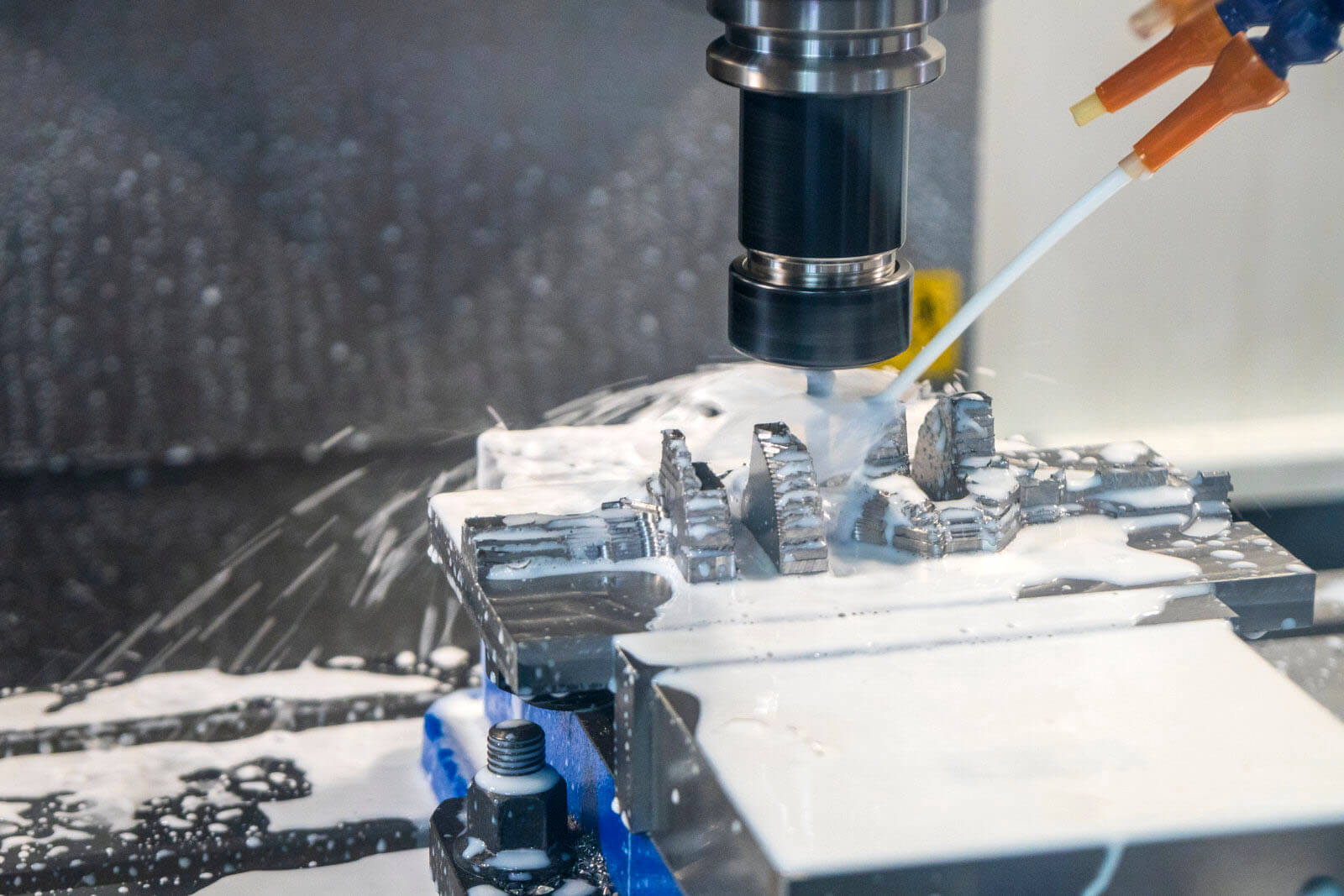
Precision in dental nozzle manufacturing begins with advanced manufacturing techniques. CNC (Computer Numerical Control) machining takes center stage in crafting these nozzles to exacting standards. Multi-axis CNC machines enable the creation of intricate designs and precise geometries, ensuring that each nozzle meets the highest standards of dimensional accuracy and consistency.
The power of CNC machining lies in its ability to produce complex and highly detailed components with tight tolerances. This precision is crucial for dental professionals who rely on consistent and reliable equipment for their procedures.
Surface treatment and biocompatibility
The surface treatment of dental nozzles is a pivotal aspect of their performance. Specialized surface treatments are applied to enhance functionality, biocompatibility, and durability. These treatments may include coatings designed to reduce friction, improve biocompatibility, and provide resistance to corrosion.
Biocompatibility is a critical consideration, as dental nozzles come into direct contact with the patient's oral cavity. Ensuring that these components are biocompatible minimizes the risk of adverse reactions and discomfort during treatment.
Quality control and rigorous testing
Quality control is at the heart of dental nozzle manufacturing. Rigorous testing and calibration procedures are conducted to validate each nozzle's functionality and precision. These tests encompass assessments of rotational speed, fluid control, and overall performance, ensuring that every nozzle meets or exceeds the stringent standards required for dental applications.
Future innovation and development trends
The journey doesn't end with current technologies; the field of dental nozzle manufacturing holds the promise of future innovations. Emerging trends, such as smart nozzle technology and advanced materials, are on the horizon. These innovations aim to deliver even greater precision, efficiency, and patient comfort in dental procedures.
Conclusion:
In conclusion, dental nozzle manufacturing is a blend of art and science. The meticulous selection of materials, precision manufacturing techniques, surface treatments, quality control, and ongoing innovation all contribute to the efficiency and effectiveness of dental procedures. As dental technology continues to evolve, so too will the dental nozzle's ability to enhance patient care and treatment outcomes. It's a testament to human ingenuity and the pursuit of excellence in the field of dentistry.