

Demystifying CNC Machining: A Comprehensive Guide
Nov 08, 2023
Leave a message
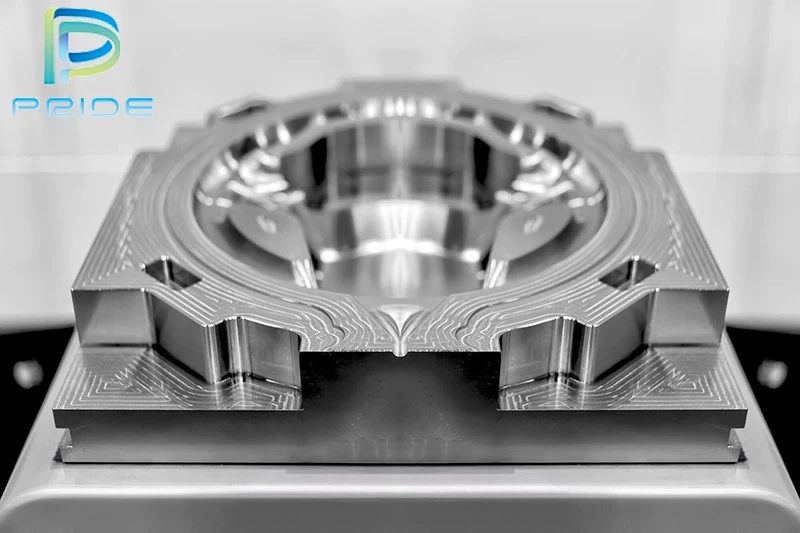
CNC machining is a pivotal technology in modern manufacturing, revolutionizing the way parts and components are produced. This process combines precision engineering with computer-controlled automation to create intricate, high-quality products. In this article, we'll delve into the inner workings of CNC machining, explaining the process step-by-step and highlighting its applications across various industries.
Understanding CNC Machining:
What is CNC Machining?
CNC, short for Computer Numerical Control, refers to the automated control of machining tools and 3D printers by means of a computer. It involves converting a digital design into a set of instructions (G-code) that guide the movements of the machine's cutting tools. This automation allows for precise and repeatable production of complex parts.
How Does CNC Machining Work?
a. Design and CAD Model:
The process begins with the creation of a digital model using Computer-Aided Design (CAD) software. This 3D model serves as a blueprint for the final product.
b. G-code Programming:
The CAD model is then converted into G-code, which consists of numerical coordinates and commands that instruct the CNC machine on how to move and shape the material.
c. Material Setup:
The chosen material (metal, plastic, wood, etc.) is securely fastened to the CNC machine's worktable. This ensures stability during the machining process.
d. Tool Selection:
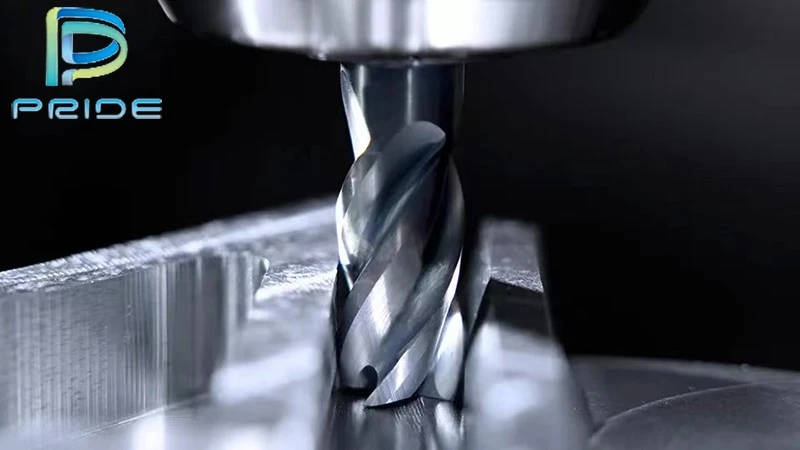
Appropriate cutting tools, such as drills, end mills, or lathes, are selected based on the material and design specifications. These tools will be responsible for removing excess material to shape the final product.
e. Machining Process:
The CNC machine uses the G-code instructions to precisely move the cutting tools across the material. It operates in three primary axes: X (horizontal), Y (vertical), and Z (depth). The tools remove material gradually, following the programmed path to create the desired shape.
f. Quality Control:
Throughout the process, operators monitor the CNC machine and inspect the workpiece to ensure accuracy and quality. Any necessary adjustments can be made in real-time.
g. Finishing and Assembly:
Once the machining process is complete, the finished components may undergo additional processes like polishing, coating, or assembly, depending on the specific requirements of the project.
Applications of CNC Machining:
Aerospace Industry:
CNC machining plays a critical role in producing precision parts for aircraft and spacecraft. From turbine blades to structural components, the aerospace industry relies on CNC technology for high-quality and safety-critical applications.
Automotive Manufacturing:
In the automotive sector, CNC machining is used to create engine components, transmission parts, chassis elements, and more. Its precision and consistency are vital for ensuring the performance and reliability of vehicles.
Medical Device Production:
CNC machining is indispensable in the medical industry, where it is used to manufacture intricate and customized components for surgical instruments, prosthetics, implants, and diagnostic equipment.
Electronics and Technology:
CNC machining is essential for creating intricate circuit boards, connectors, and enclosures for electronic devices. Its precision ensures the reliability and functionality of these components.
Conclusion:
CNC machining is a transformative technology that has revolutionized manufacturing across various industries. By harnessing the power of computer control, this process enables the production of highly precise and complex components. Understanding how CNC machining works empowers manufacturers to create innovative, reliable, and high-quality products for a wide range of applications. With its continued advancements, CNC machining remains at the forefront of modern manufacturing.