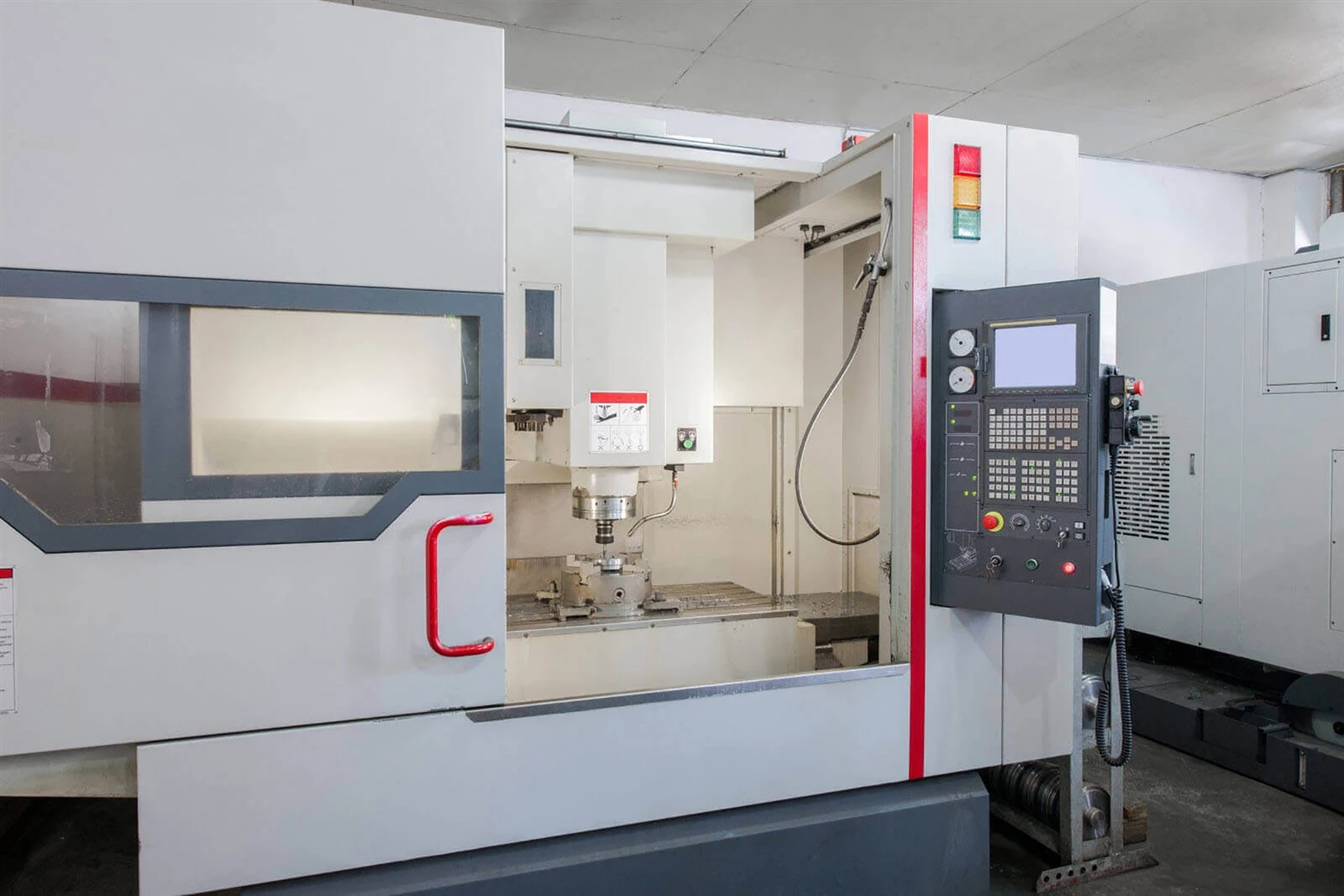
CNC Surface Treatment Trends: Exploring the Latest Innovations
Mar 27, 2024
Leave a message
CNC machining has emerged as a cornerstone of modern manufacturing, enabling the production of precise and intricate components across a wide range of industries. However, the quality and performance of CNC machined parts are not solely determined by the machining process itself but are significantly influenced by the surface treatment techniques applied post-machining. In this introduction, we will explore the critical role of surface treatment technologies in enhancing the functionality, durability, and aesthetics of CNC machined parts, setting the stage for an in-depth exploration of the latest trends and advancements in this field.
Historical Overview of Surface Treatment in CNC Machining
A. Introduction to Traditional Surface Treatment Methods
Traditional surface treatment methods, such as chemical etching, electroplating, and mechanical polishing, have been fundamental to CNC machining for decades. These techniques aimed to improve surface properties, enhance corrosion resistance, and achieve desired aesthetics.
B. Evolution of Surface Treatment Techniques
Over time, surface treatment techniques have evolved significantly, driven by technological advancements and industry demands. From manual processes to automated systems, the evolution of surface treatment technologies has revolutionized the manufacturing landscape, enabling higher precision, efficiency, and quality.
C. Transition from Conventional to Modern Methods
The transition from conventional surface treatment methods to modern, high-tech solutions has been marked by innovations in materials, processes, and equipment. Today, CNC machining facilities leverage cutting-edge surface treatment technologies to achieve superior surface finishes, functional coatings, and performance enhancements.
Overview of Latest Surface Treatment Technologies for CNC Machined Parts
A. Advanced Surface Cleaning and Pre-treatment Techniques
Modern CNC machining facilities employ advanced surface cleaning and pre-treatment techniques to ensure optimal adhesion and performance of subsequent treatments. These techniques include ultrasonic cleaning, plasma cleaning, and laser surface modification, offering superior cleanliness and surface activation compared to traditional methods.
B. Innovative Surface Modification and Coating Technologies
Emerging surface modification and coating technologies have revolutionized the way CNC machined parts are treated. Techniques such as physical vapor deposition (PVD), chemical vapor deposition (CVD), and ion implantation offer precise control over coating properties, resulting in enhanced wear resistance, corrosion protection, and thermal stability.
C. Novel Surface Finishing and Polishing Techniques
Modern CNC machining facilities are adopting novel surface finishing and polishing techniques to achieve ultra-smooth surfaces and high-quality finishes. Methods such as abrasive flow machining (AFM), magnetic abrasive finishing (MAF), and electrochemical polishing (ECP) provide unparalleled surface integrity, dimensional accuracy, and aesthetic appeal, surpassing traditional mechanical polishing methods.
Analysis of Surface Treatment Technology Trends
A. Automation and Digitization Trends
The integration of automation and digitization is a prominent trend in surface treatment technology for CNC machined parts. Robotic systems, computer-controlled processes, and AI-driven algorithms enable precise control, real-time monitoring, and adaptive adjustments, resulting in increased productivity, consistency, and quality.
B. Sustainability and Environmental Compliance
Sustainability and environmental compliance are driving forces shaping the future of surface treatment technologies. Green coatings, eco-friendly processes, and waste reduction initiatives are gaining prominence as manufacturers strive to minimize environmental impact and meet regulatory requirements, reflecting a growing awareness of corporate social responsibility.
C. Customization and Personalization Demands
The growing demand for customized and personalized products is influencing surface treatment technology trends. Flexible manufacturing systems, rapid prototyping techniques, and on-demand surface treatments cater to individual preferences, market trends, and niche applications, offering unique solutions tailored to specific needs and enhancing customer satisfaction.
Application Case Studies and Success Stories
A. Industry-Specific Applications
Case studies from various industries demonstrate the practical application of the latest surface treatment technologies in CNC machining. Examples from automotive, aerospace, medical, and consumer electronics sectors showcase how innovative surface treatments enhance performance, reliability, and market competitiveness, illustrating the diverse range of applications and benefits.
B. Technological Innovations and Best Practices
Successful implementation of advanced surface treatment technologies relies on technological innovations and best practices. Case studies highlight successful collaborations between manufacturers, research institutions, and technology providers, resulting in breakthroughs, cost savings, and competitive advantages, showcasing the importance of research and development in driving industry progress.
C. Analysis of Application Case Studies
A comprehensive analysis of application case studies provides valuable insights into the real-world benefits and challenges of adopting the latest surface treatment technologies. Factors such as process optimization, material compatibility, and performance validation contribute to successful outcomes and industry leadership, offering valuable lessons and benchmarks for future endeavors.
Future Development Directions and Outlook
A. Potential for Technological Advancements
The future development of surface treatment technologies for CNC machined parts holds immense potential for further advancements. Innovations in materials science, nanotechnology, and additive manufacturing are expected to drive the next wave of breakthroughs, unlocking new capabilities and applications, paving the way for unprecedented levels of performance and functionality.
B. Challenges and Opportunities Ahead
Despite the promising outlook, surface treatment technology development faces challenges such as cost constraints, regulatory compliance, and technological barriers. However, these challenges also present opportunities for collaboration, innovation, and market differentiation, fostering a dynamic and competitive industry landscape, highlighting the importance of strategic planning and risk management in navigating future uncertainties.
C. Predictions and Recommendations for Future Growth
Looking ahead, it is crucial for stakeholders in the CNC machining industry to anticipate trends, invest in research and development, and embrace a culture of continuous improvement. By staying abreast of technological advancements and market dynamics, manufacturers can capitalize on emerging opportunities and maintain leadership in the global marketplace, emphasizing the importance of agility, adaptability, and foresight in achieving sustained success.
Conclusion
In conclusion, the exploration of the latest surface treatment technologies and trends in CNC machining reveals a dynamic and evolving landscape, reflecting the industry's commitment to innovation, excellence, and sustainability. From advanced coatings and innovative processes to automation and customization, surface treatment technology plays a pivotal role in shaping the future of manufacturing, driving competitiveness, and enabling breakthroughs that benefit society as a whole, underscoring the industry's vital role in driving economic growth and technological progress.