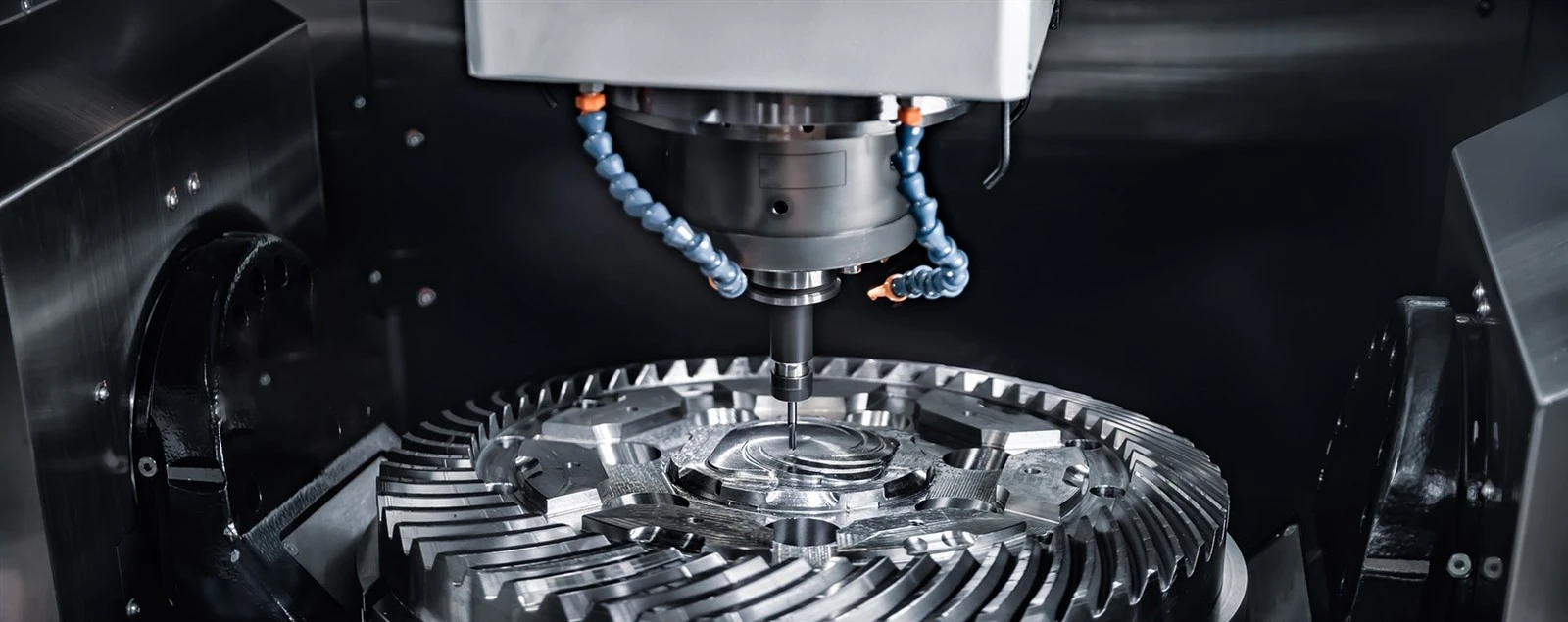
CNC Precision Machining: Principles, Methods, and Advantages Unveiled
Apr 17, 2024
Leave a message
CNC precision machining epitomizes the pinnacle of modern manufacturing, offering an unprecedented blend of precision, efficiency, and versatility. In this comprehensive guide, we embark on a journey through the intricate workings of CNC precision machining, unraveling its underlying principles, exploring its diverse methods, and delving into the myriad advantages it offers across industries.
Principles of CNC Precision Machining
At the heart of CNC precision machining lies the concept of Computer Numerical Control (CNC), a revolutionary technology that enables the automated control of machine tools through computer programming. By translating digital instructions into precise movements of cutting tools, CNC machines sculpt raw materials into intricately detailed components with unparalleled accuracy and repeatability. The CNC control system orchestrates the synchronized motion of machine axes, meticulously executing machining operations in accordance with design specifications.
Methods of CNC Precision Machining
CNC precision machining encompasses a rich tapestry of methods tailored to meet the diverse needs of modern manufacturing. From turning and milling to drilling and grinding, each technique offers its own set of capabilities and advantages. Turning processes revolve around the rotation of a workpiece, while milling operations involve the precise removal of material using rotary cutters. Drilling entails creating holes with specialized drill bits, whereas grinding achieves fine surface finishes through abrasive machining. Advanced CAD/CAM software empowers designers to translate conceptual designs into actionable instructions, generating intricate toolpaths and optimizing machining strategies for maximum efficiency and precision.
Advantages of CNC Precision Machining
The adoption of CNC precision machining heralds a paradigm shift in manufacturing, ushering in a host of compelling advantages that resonate across industries. Foremost among these is the unparalleled level of accuracy achievable through CNC machining, with tolerances reaching microscopic levels to ensure the faithful replication of design intent. Furthermore, CNC machines operate with unrivaled efficiency, minimizing production lead times and material wastage while maximizing productivity. The inherent flexibility of CNC machining enables rapid prototyping and iterative design iterations, fostering a culture of innovation and continuous improvement. Additionally, CNC machining optimizes resource utilization, promoting sustainable manufacturing practices by minimizing material usage and energy consumption.
Trends in CNC Precision Machining
As technology advances at an exponential pace, the landscape of CNC precision machining continues to evolve, driven by emerging trends in automation, intelligence, and sustainability. Automation features such as robotic loading and unmanned operation are revolutionizing production workflows, enhancing efficiency and throughput. The integration of artificial intelligence and machine learning algorithms augments CNC machining capabilities, enabling predictive maintenance and adaptive machining strategies that optimize performance and reliability. Moreover, the growing emphasis on sustainability is reshaping the manufacturing paradigm, with eco-friendly machining practices and the adoption of renewable materials spearheading efforts to minimize environmental impact and promote responsible stewardship of resources.
Conclusion
In conclusion, CNC precision machining stands as a testament to the ingenuity and innovation that define the modern era of manufacturing. By understanding the principles, methods, and advantages of CNC machining, manufacturers can unlock new frontiers of possibility and drive forward the boundaries of what is achievable. As we look to the future, the trajectory of CNC precision machining is one of boundless potential, with advancements in automation, intelligence, and sustainability poised to reshape the manufacturing landscape and redefine the art of the possible.