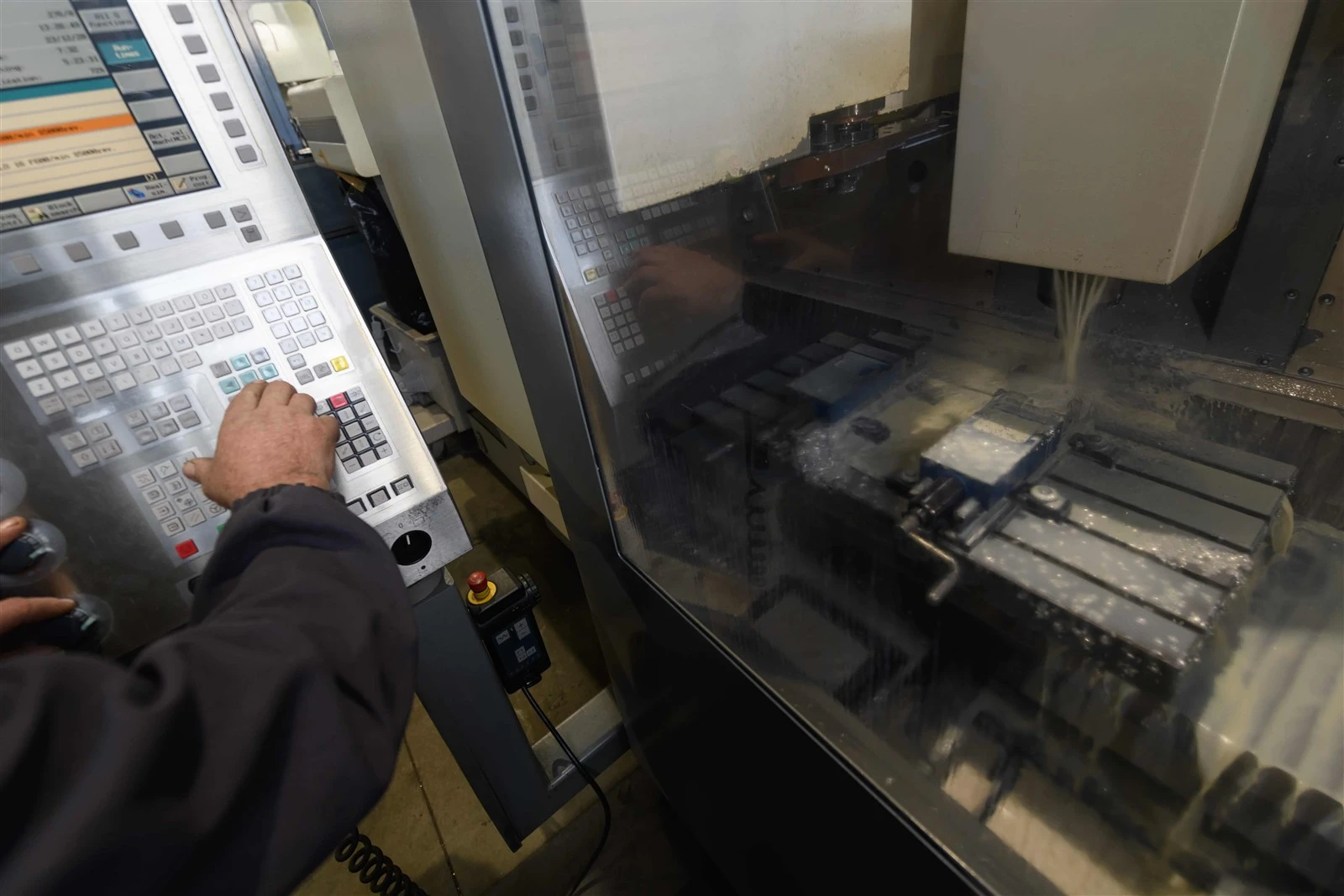
CNC Machining: The Powerhouse of Modern Mechanical Parts Production
Apr 16, 2024
Leave a message
CNC machining stands as the backbone of modern manufacturing, driving efficiency, precision, and innovation in the production of mechanical parts. In this comprehensive guide, we delve into the intricacies of CNC machining and its pivotal role in shaping the landscape of modern mechanical parts manufacturing.
Basic Principles of CNC Machining:
CNC machining operates on the principle of computer-controlled movement of cutting tools to shape raw materials into finished parts. At its core, CNC machining relies on precise instructions programmed into computer systems, guiding the movement of tools with unparalleled accuracy and repeatability. We explore the foundational principles of CNC machining, highlighting its versatility and adaptability to diverse manufacturing needs.
Applications of CNC Machining in Mechanical Parts Manufacturing:
The applications of CNC machining in mechanical parts manufacturing are vast and varied, encompassing industries such as automotive, aerospace, medical devices, and consumer electronics. From producing intricate components with tight tolerances to mass-producing standardized parts with unmatched consistency, CNC machining plays a crucial role in meeting the demands of modern production environments. We examine the diverse applications of CNC machining, emphasizing its contribution to productivity, quality, and cost-effectiveness.
CNC Machining Equipment and Tools:
CNC machining relies on a range of specialized equipment and tools to carry out precision machining operations. CNC milling machines, lathes, and machining centers are among the most commonly used equipment, each offering unique capabilities and advantages. Additionally, a wide array of cutting tools, such as end mills, drills, and inserts, are employed to shape various materials with precision and efficiency. We provide an in-depth exploration of CNC machining equipment and tools, highlighting their features, applications, and technological advancements.
CNC Programming and Operation Techniques:
Effective CNC machining requires skilled programming and operation techniques to maximize efficiency and ensure quality. CNC programmers translate design specifications into machine-readable code, specifying toolpaths, speeds, and feeds to achieve desired machining outcomes. Meanwhile, CNC operators oversee machine setup, tool changes, and process optimization to maintain smooth and efficient operations. We delve into the intricacies of CNC programming and operation techniques, emphasizing best practices for achieving optimal machining results.
Advantages and Challenges of CNC Machining:
CNC machining offers numerous advantages over traditional machining methods, including increased precision, repeatability, and flexibility. However, it also presents unique challenges, such as programming complexity, tool wear, and machine maintenance requirements. We analyze the advantages and challenges of CNC machining, providing insights into how manufacturers can leverage its strengths while mitigating potential drawbacks.
Future Developments in CNC Machining:
Looking ahead, the future of CNC machining is marked by ongoing technological advancements and innovations. From the integration of artificial intelligence and machine learning to the adoption of advanced materials and additive manufacturing techniques, new frontiers are continuously being explored. We discuss emerging trends and developments in CNC machining, offering a glimpse into the evolving landscape of modern manufacturing.
Integration of CNC Machining with Smart Manufacturing:
CNC machining plays a pivotal role in the paradigm shift towards smart manufacturing, where interconnected systems and data-driven analytics optimize production processes. By integrating CNC machines with IoT devices, robotics, and cloud computing, manufacturers can achieve unprecedented levels of efficiency, agility, and quality control. We explore the synergies between CNC machining and smart manufacturing, highlighting the transformative impact of this integration on the future of mechanical parts manufacturing.
Conclusion:
In conclusion, CNC machining serves as the engine of modern mechanical parts manufacturing, driving efficiency, precision, and innovation across industries. By harnessing the power of CNC machining, manufacturers can achieve unparalleled levels of productivity, quality, and cost-effectiveness, positioning themselves for success in the ever-evolving landscape of manufacturing. As we continue to push the boundaries of technological innovation, let us embrace the transformative potential of CNC machining and propel the industry towards a brighter, more prosperous future.