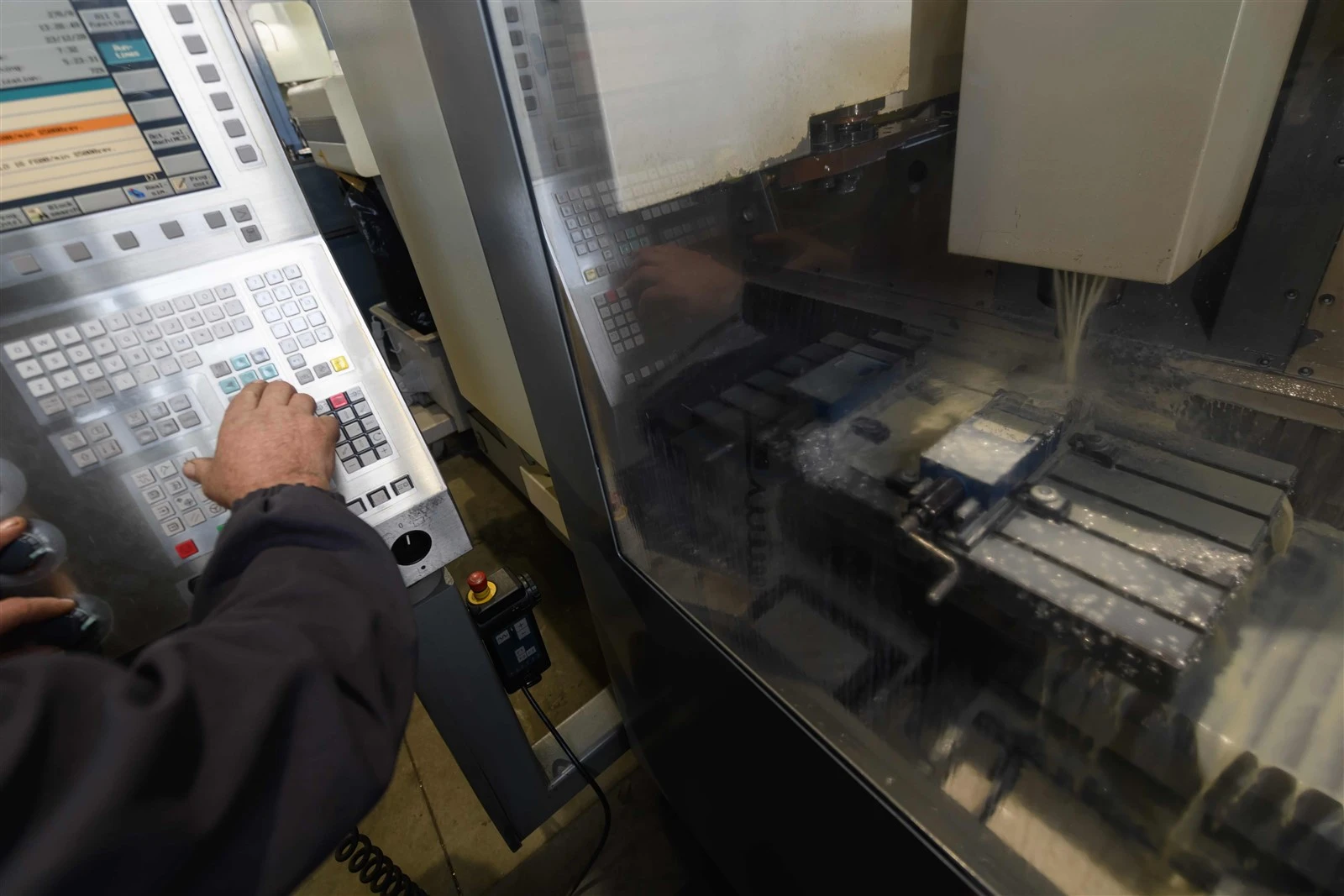
CNC Machining Revolution: Transforming Product Design and Manufacturing
May 11, 2024
Leave a message
A. Definition and Background of CNC Machining Technology:
CNC machining, short for Computer Numerical Control machining, is a revolutionary manufacturing process that utilizes computerized controls to operate machine tools. It has transformed the way products are designed and manufactured by offering precision, efficiency, and flexibility.
B. Introduction to the Topic:
In today's competitive market, product design and manufacturing are crucial aspects of success. This article aims to explore the pivotal role that CNC machining plays in both product design and manufacturing processes. From enabling complex designs to streamlining production, CNC machining has become indispensable in modern manufacturing.
Overview of CNC Machining Technology
A. Basic Principles and Workflow of CNC Machining:
CNC machining operates on the principles of computer-aided design (CAD) and computer-aided manufacturing (CAM). CAD models are translated into instructions (G-codes and M-codes) that control the movement and operation of machine tools, allowing for precise material removal and component fabrication.
B. Development History and Application Scope:
The evolution of CNC machining dates back to the mid-20th century, with significant advancements in computer technology driving its development. Today, CNC machining finds applications across various industries, including automotive, aerospace, electronics, and healthcare.
Application of CNC Machining in Product Design
A. Enhanced Design Freedom with CNC Machining:
One of the key advantages of CNC machining is its ability to realize complex geometries and intricate designs that may be impossible or prohibitively expensive with traditional manufacturing methods. This design freedom allows designers to push the boundaries of creativity and innovation.
B. Importance of Rapid Prototyping and Product Validation:
CNC machining enables rapid prototyping and iterative design processes, allowing designers to quickly translate concepts into physical prototypes for evaluation and testing. This iterative approach accelerates product development cycles and reduces time-to-market.
C. Case Studies of CNC Machining in Customized Product Design:
Examples of CNC machining applications in customized product design illustrate its versatility and adaptability. From personalized consumer goods to bespoke industrial components, CNC machining facilitates the realization of unique and tailored products.
Role of CNC Machining in Product Manufacturing
A. Optimization of Production Efficiency and Cycle Time:
CNC machining offers significant advantages in terms of production efficiency and cycle time optimization. The automation of machining processes minimizes setup time, reduces material waste, and increases throughput, leading to cost savings and improved competitiveness.
B. Assurance of Product Quality and Consistency:
Quality control is paramount in manufacturing, and CNC machining excels in ensuring product quality and consistency. By precisely controlling machining parameters and eliminating human error, CNC machining delivers components with tight tolerances and consistent quality, meeting the most stringent specifications.
C. Case Studies Demonstrating CNC Machining in Mass Production and Small-Batch Customization:
Real-world case studies highlight the diverse applications of CNC machining in both mass production and small-batch customization scenarios. Whether producing thousands of identical parts or catering to niche markets with unique requirements, CNC machining offers scalability and versatility.
Impact of CNC Machining on Innovation and Competitiveness
A. Facilitating Product Innovation through CNC Machining:
CNC machining serves as a catalyst for product innovation by enabling the exploration of new designs, materials, and manufacturing techniques. Its flexibility and precision empower designers and engineers to push the boundaries of what's possible, driving continuous innovation.
B. Enhancing Competitiveness of Enterprises:
Enterprises that embrace CNC machining gain a competitive edge in the market. By leveraging its capabilities to reduce production costs, improve quality, and shorten lead times, companies can deliver superior products while remaining agile and responsive to market demands.
C. Future Outlook and Application Prospects in Emerging Industries:
Looking ahead, the future of CNC machining holds immense promise. Emerging technologies such as additive manufacturing, robotics, and digital fabrication are poised to revolutionize manufacturing processes, with CNC machining playing a central role in their integration and adoption.
Conclusion
A. Summary of CNC Machining's Role in Product Design and Manufacturing:
In summary, CNC machining is a cornerstone of modern product design and manufacturing. Its ability to realize complex designs, optimize production processes, and drive innovation makes it indispensable in today's highly competitive market.
B. Emphasis on the Continuing Impact of CNC Machining Technology:
As CNC machining technology continues to evolve, its impact on product development, manufacturing efficiency, and enterprise competitiveness will only grow stronger. By embracing CNC machining and staying at the forefront of technological advancements, companies can position themselves for success in the ever-evolving landscape of modern manufacturing.