CNC Machining in Dental Handle Manufacturing: Addressing Complex Designs and Precision Demands
Dec 16, 2023
Leave a message
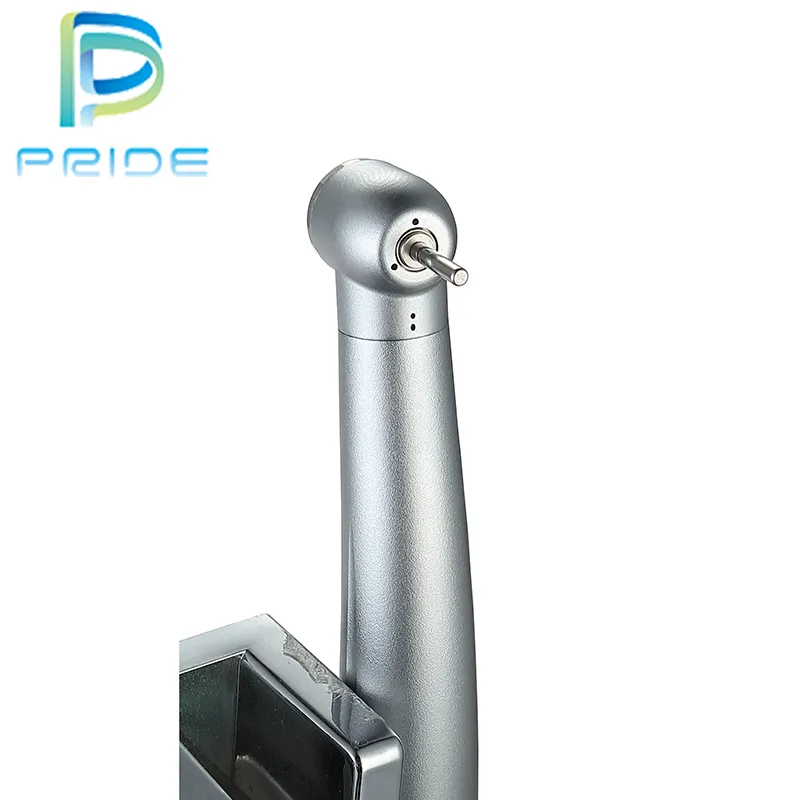
The realm of dental equipment manufacturing, particularly dental handles, stands as a testament to the relentless pursuit of precision and functionality. These tools, essential in dental procedures, demand not only ergonomic designs but also high levels of accuracy. In this context, Computer Numerical Control (CNC) machining emerges as a pivotal technology, offering unparalleled capabilities in producing complex, high-precision components.
CNC Machining Overview
CNC machining, a process known for its precision and versatility, employs computer-controlled machine tools to shape and design materials. In the medical device industry, including dental equipment manufacturing, CNC machining has become indispensable. It provides the ability to produce intricate designs with tight tolerances, which is essential for creating the precise and reliable tools used in dentistry.
The Complexity in Dental Handle Design
Designing dental handles involves a meticulous balance of size, shape, and weight, tailored to ensure ease of use and effectiveness in dental procedures. The complexity of these designs poses significant challenges in manufacturing. Traditional methods often fall short in achieving the required precision, leading to a growing reliance on advanced techniques like CNC machining.
CNC Machining in Handling Complex Designs
The intricate nature of dental handle design demands a manufacturing approach that is both precise and adaptable. CNC machining stands out in this regard. It overcomes the limitations of conventional manufacturing methods by utilizing advanced software and precise tooling. This technology allows for the realization of complex shapes and detailed features that are crucial for dental handles, such as contoured grips and specific geometries for ergonomic handling.
Case studies in the dental industry reveal how CNC machining facilitates the production of handles that are not only functionally superior but also aesthetically pleasing. By enabling the incorporation of intricate designs and fine details, CNC machining helps manufacturers meet both the functional requirements and aesthetic preferences of dental professionals.
Precision Requirements and CNC Machining
In dental handle manufacturing, precision is not just a requirement; it is imperative. The accuracy in dimensions and tolerances directly impacts the tool's performance and safety. CNC machining excels in meeting these high-precision demands. With its ability to operate with minuscule tolerances, CNC machining ensures that each dental handle meets stringent specifications, providing consistency and reliability in dental procedures.
The technology's precision is further enhanced by its repeatability. Once a design is programmed, CNC machines can produce numerous handles with identical dimensions and quality, ensuring uniformity across production batches. This aspect is particularly vital in large-scale production where consistency in product quality is crucial.
Material Selection and Machining Strategy
Selecting the right material is critical in dental handle manufacturing. Materials commonly used include stainless steel, titanium, and sometimes advanced plastics, each offering unique properties like durability, corrosion resistance, and biocompatibility. The choice of material influences the CNC machining strategy, including the selection of tools, cutting parameters, and cooling techniques.
Optimizing these parameters is essential for efficient and effective machining. For instance, the use of high-speed steel or carbide tools, specific spindle speeds, and feed rates can vary depending on the material. Such optimizations not only enhance the quality of the final product but also improve the overall efficiency of the manufacturing process.
Quality Control and Testing in CNC Machining
Quality control is a pivotal aspect of CNC machining, especially in the production of dental handles. This process involves rigorous inspections and testing to ensure that every handle meets both the industry standards and specific requirements of dental professionals. Advanced measuring instruments, such as coordinate measuring machines (CMM) and optical comparators, are used to verify dimensions and geometries, ensuring that each piece adheres to the stringent quality criteria.
The testing phase in dental handle manufacturing includes functionality tests, stress analysis, and endurance testing. These procedures ensure that the handles can withstand the rigors of dental procedures, maintaining their integrity and performance over time. The integration of quality control measures throughout the CNC machining process not only enhances the reliability of the final product but also reinforces the trust of healthcare professionals in these essential tools.
Future Trends and Technological Advancements
The future of CNC machining in dent al handle manufacturing looks promising, with ongoing advancements in technology poised to further enhance capabilities. Innovations such as 5-axis CNC machining and automation are set to redefine the standards of precision and efficiency. These advancements will allow for more complex designs and faster production times, meeting the evolving demands of the dental industry.
Moreover, the integration of artificial intelligence and machine learning in CNC systems is anticipated. This could lead to smarter machining processes, where machines can optimize their operations in real-time, further improving accuracy and reducing waste. Such technological progress will not only elevate the quality of dental handles but also contribute to the broader goals of sustainability and efficiency in manufacturing.
Conclusion
CNC machining has revolutionized the manufacturing of dental handles, addressing complex designs and high precision requirements with unparalleled efficiency. Its ability to produce consistent, high-quality products has made it an invaluable asset in the dental industry. As technology continues to evolve, CNC machining will undoubtedly play a critical role in shaping the future of dental equipment manufacturing, ensuring that dental professionals have access to tools that are not only precise and reliable but also reflective of the latest advancements in manufacturing technology.