Adapting to Market Shifts: How CNC Machining Revolutionizes Custom Manufacturing
May 11, 2024
Leave a message
A. Definition and Background of CNC Machining Technology:
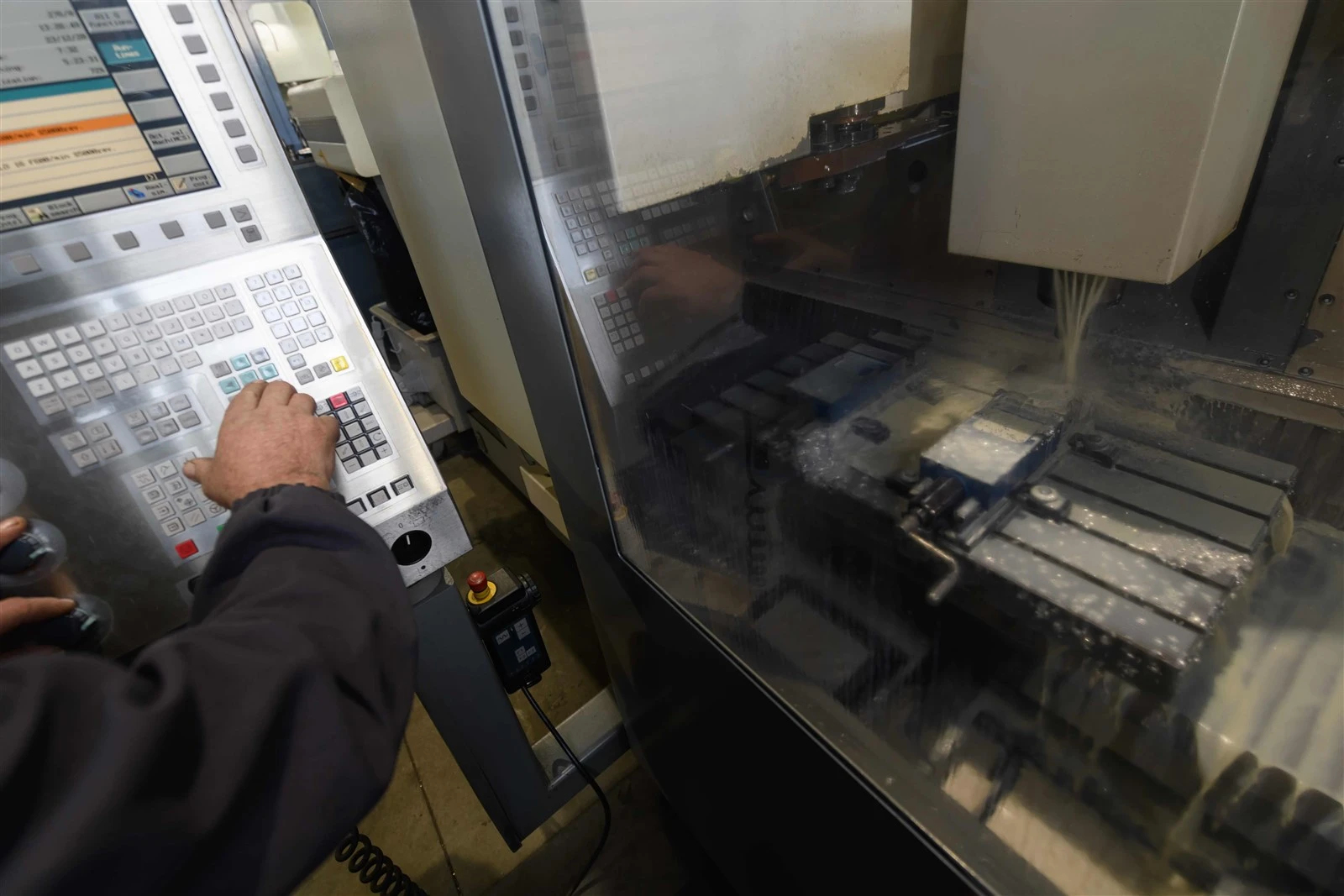
CNC (Computer Numerical Control) machining is a manufacturing process that utilizes computerized controls to operate machine tools and produce precise components. It has revolutionized traditional manufacturing methods by offering high precision and automation.
B. Introduction to the Topic:
In today's dynamic market, where consumer demands are constantly evolving, the ability to adapt and respond to changing demand is crucial for businesses. This article explores how CNC machining plays a pivotal role in enabling custom manufacturing to adapt to shifting market demands.
Overview of CNC Machining Technology
A. Basic Principles and Workflow of CNC Machining:
CNC machining involves the use of computer-aided design (CAD) and computer-aided manufacturing (CAM) software to generate instructions that control the movement of machine tools. This precise control allows for the creation of highly accurate and complex components.
B. Development History and Industry Application Scope:
Originating from numerical control (NC) machining in the mid-20th century, CNC machining has evolved significantly and found widespread application across various industries such as automotive, aerospace, electronics, and healthcare.
Importance of CNC Machining in Custom Manufacturing
A. Meeting Changing Market Demands:
One of the key advantages of CNC machining is its ability to meet changing market demands. With CNC technology, manufacturers can quickly adapt their production processes to produce new components or modify existing designs in response to shifting customer preferences.
B. Enhancing Production Flexibility and Responsiveness:
CNC machining enhances production flexibility and responsiveness by allowing for rapid reconfiguration of machining operations. This agility enables manufacturers to efficiently switch between different production tasks and adjust production schedules to meet demand fluctuations.
Applications of CNC Machining in Various Industries
A. Custom Automotive Components Production:
In the automotive industry, CNC machining is extensively used for producing custom components such as engine parts, transmission components, and chassis components. This customization capability allows automotive manufacturers to meet the specific design and performance requirements of different vehicle models.
B. Personalized Furniture Manufacturing:
In the furniture industry, CNC machining enables the production of custom-designed furniture pieces with unique aesthetics and functional features. From intricate wood carvings to precise joinery, CNC machining allows for the creation of bespoke furniture that reflects individual customer preferences.
C. Tailored Medical Device Fabrication:
CNC machining plays a critical role in the medical device industry for producing custom implants, prosthetics, and surgical instruments. These medical devices are tailored to meet the specific anatomical requirements of individual patients, ensuring optimal fit and performance.
Future Trends and Prospects of CNC Machining
A. Positioning CNC Machining in the Digital Manufacturing Era:
As the manufacturing industry embraces digitalization and Industry 4.0 technologies, CNC machining is poised to play an even more significant role in custom manufacturing. Integration with advanced technologies such as artificial intelligence (AI) and additive manufacturing will further enhance CNC machining capabilities.
B. Exploring Emerging Applications and Growth Opportunities:
The future of CNC machining holds promise for emerging applications in personalized consumer products, customized electronics, and bespoke industrial machinery. As businesses strive to differentiate themselves and cater to niche markets, CNC machining will continue to evolve and expand its applications.
Conclusion
A. Summary of CNC Machining's Role in Custom Manufacturing:
In conclusion, CNC machining is a cornerstone in custom manufacturing, enabling businesses to adapt and respond to changing market demands with agility and efficiency. Its ability to meet changing customer preferences, enhance production flexibility, and deliver customized solutions underscores its importance in modern manufacturing.
B. Emphasis on the Continued Evolution and Importance of CNC Machining Technology:
Looking ahead, the continued evolution of CNC machining technology will further drive innovation and unlock new possibilities in custom manufacturing. By leveraging CNC machining and embracing its capabilities, businesses can stay competitive and thrive in an ever-changing market landscape.