


Microfluidic Electric Rotary Valve
Description
Technical Parameters
What is Microfluidic Electric Rotary Valve?
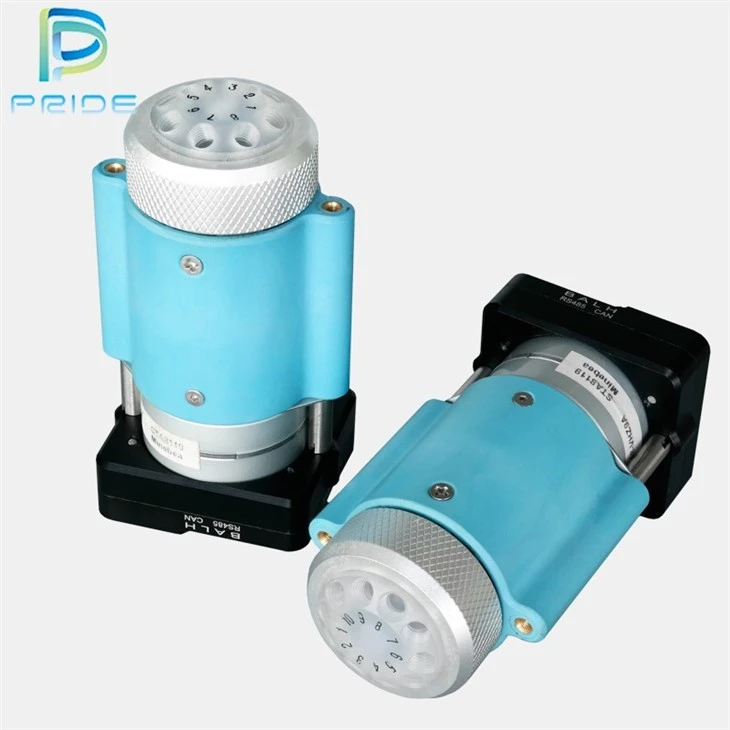
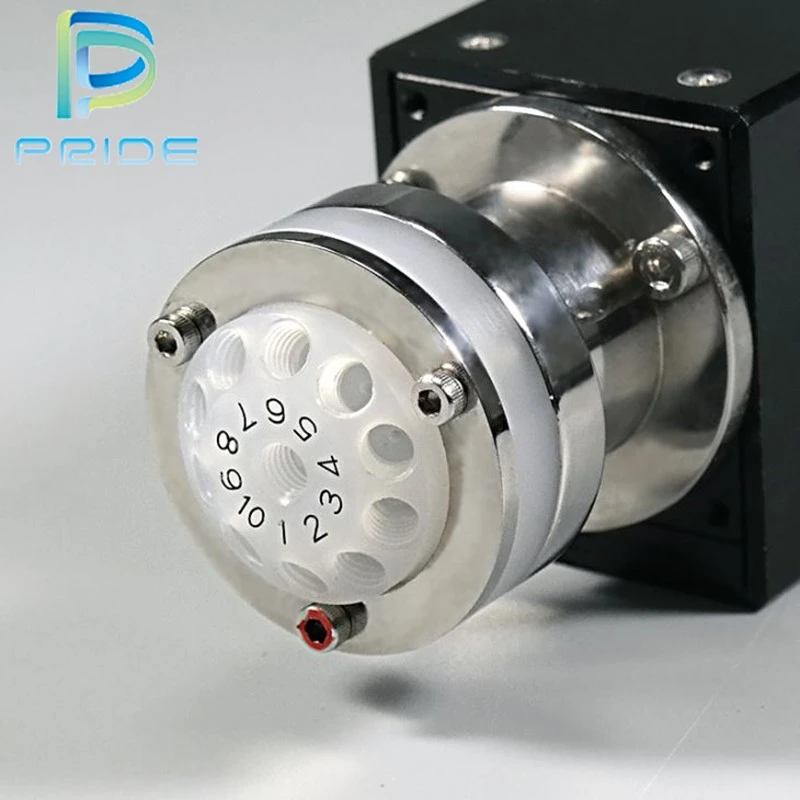
A Microfluidic Electric Rotary Valve is a device used in microfluidic systems to control the flow of fluids at a microscale. It operates electrically and allows for the precise routing of small volumes of fluid through a microfluidic chip or system. The valve typically consists of a rotating part that, when moved by an electric motor, aligns with channels to either permit or restrict fluid flow. This precise control is crucial in applications such as biomedical research, chemical analysis, and lab-on-a-chip technologies, where managing tiny fluid quantities with high accuracy is essential.
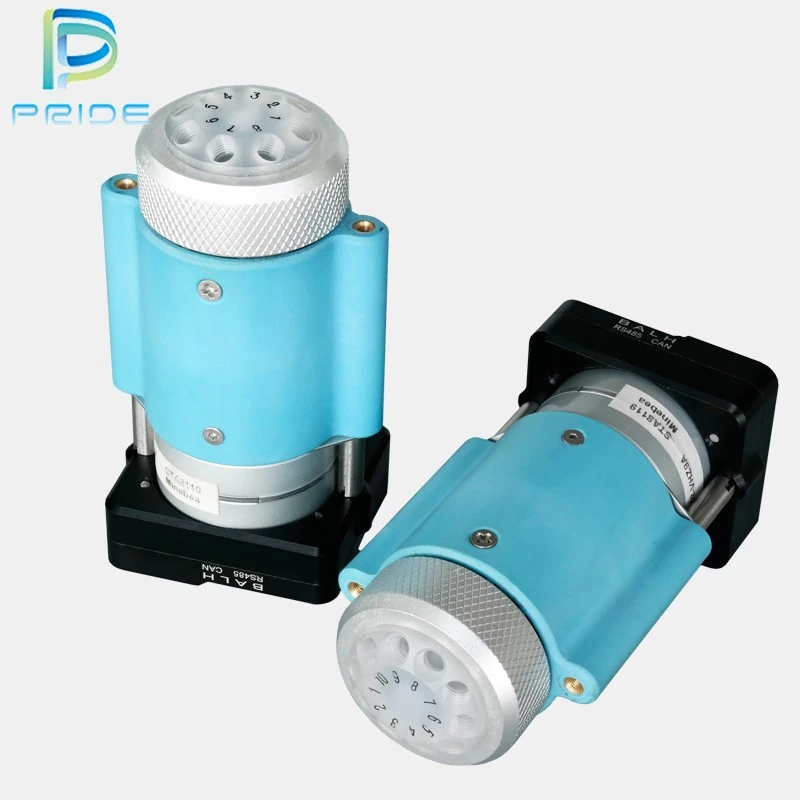
| Product name: | Microfluidic Electric Rotary Valve |
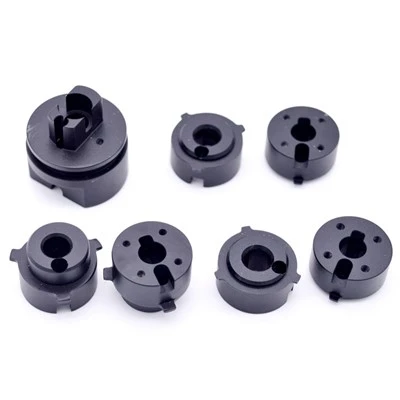
| Processing method: | CNC Machined |
Advantages of Microfluidic Electric Rotary Valve:
1.Precision Control: Enables accurate fluid manipulation.
2.High Speed: Quick switching between channels.
3.Compact Design: Ideal for space-constrained environments.
4.Reliability: Durable with minimal maintenance.
5.Versatility: Suitable for various fluids and applications.
6.Automation Compatibility: Integrates easily with automated systems.
Microfluidic Electric Rotary Valve are made through the following process:
Microfluidic Electric Rotary Valves are intricate devices used in microfluidic systems to control the flow of fluids at a miniature scale. Here's a generalized process for making them:
Design Phase: The process begins with the design phase, where engineers and designers create a blueprint of the microfluidic electric rotary valve. This includes determining the valve's dimensions, channel layouts, electrode placements, and other specifications.
Material Selection: Selecting appropriate materials is crucial for microfluidic devices. Typically, materials like polydimethylsiloxane (PDMS), glass, silicon, or thermoplastics are chosen for their biocompatibility, transparency, and ease of fabrication.
Fabrication of Substrates: The valve usually consists of multiple layers or substrates bonded together. These substrates are fabricated using techniques like photolithography, soft lithography, laser cutting, or micromachining, depending on the chosen materials and design requirements.
Channel Formation: Microfluidic channels are created within the substrates using processes like photolithography combined with etching or molding techniques. These channels form the pathways for fluid flow within the device.
Electrode Integration: Electric rotary valves require electrodes to control fluid flow. These electrodes can be integrated into the device during substrate fabrication using methods like thin-film deposition, sputtering, or microfabrication techniques.
Assembly: Once all the individual components are fabricated and prepared, they are assembled layer by layer. Bonding techniques such as oxygen plasma bonding, thermal bonding, or adhesive bonding are used to assemble the layers while ensuring proper alignment of channels and electrodes.
Testing and Quality Control: After assembly, the microfluidic electric rotary valve undergoes rigorous testing to ensure its functionality, reliability, and performance meet the desired specifications. This may involve testing for leakage, flow rate control, electrode functionality, and overall device integrity.
Packaging and Integration: Once validated, the valve may be packaged for protection and integrated into larger microfluidic systems or devices, where it will perform its intended function of controlling fluid flow.
Throughout this process, precision and attention to detail are critical to ensure the functionality and reliability of the microfluidic electric rotary valve, which plays a vital role in various applications such as lab-on-a-chip systems, biomedical diagnostics, chemical analysis, and more.
Our Factory


Our Certificate

Delivery

Hot Tags: microfluidic electric rotary valve, China, manufacturers, suppliers, factory, wholesale, customized, made in China
Send Inquiry