

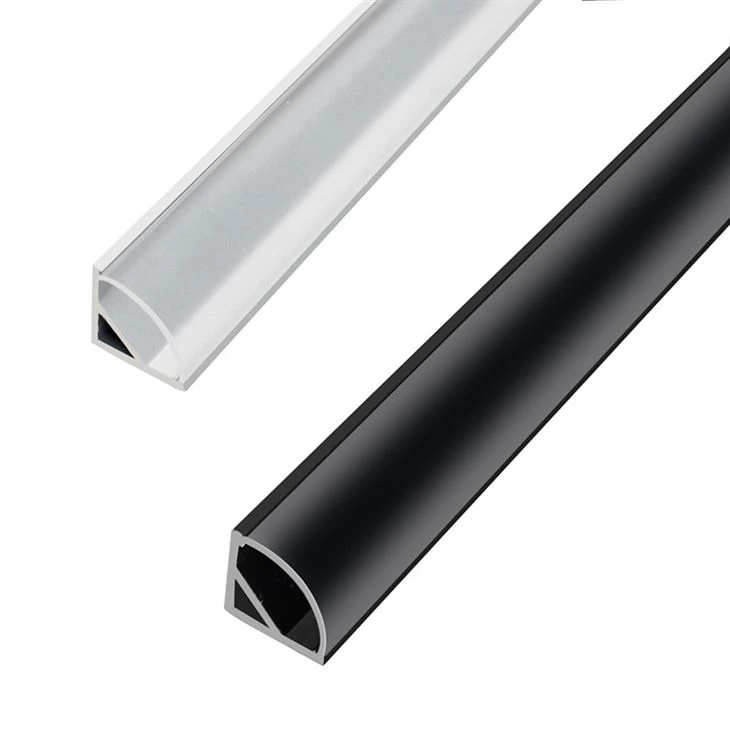

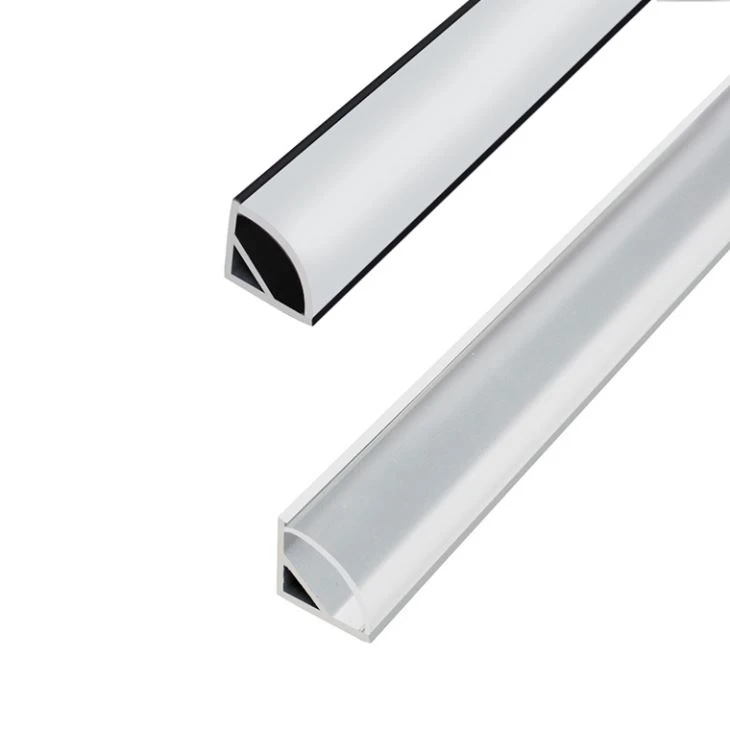
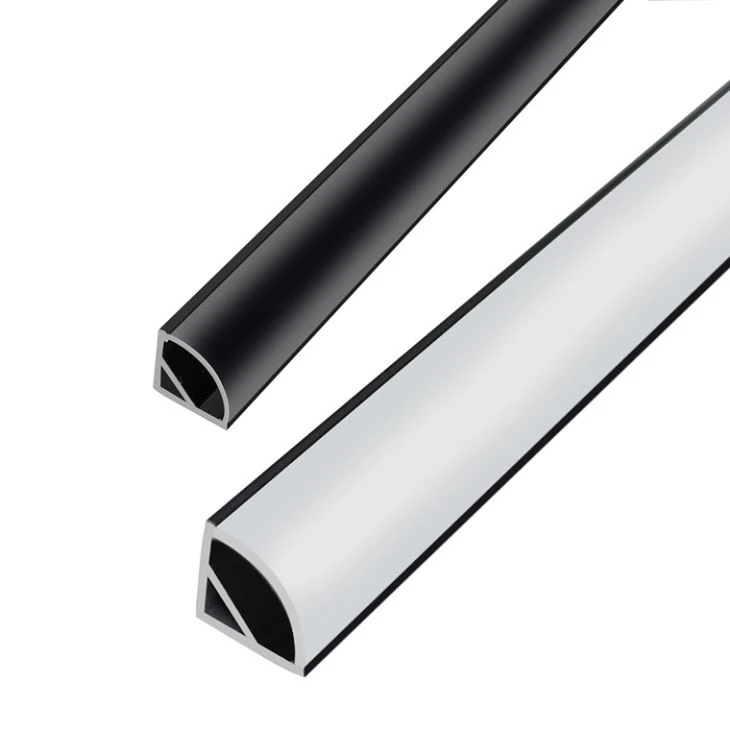
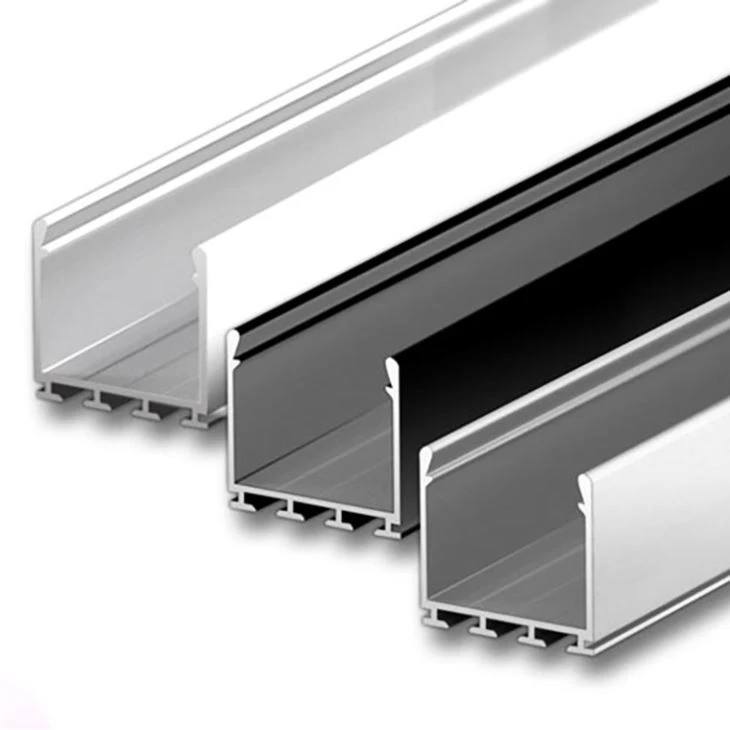
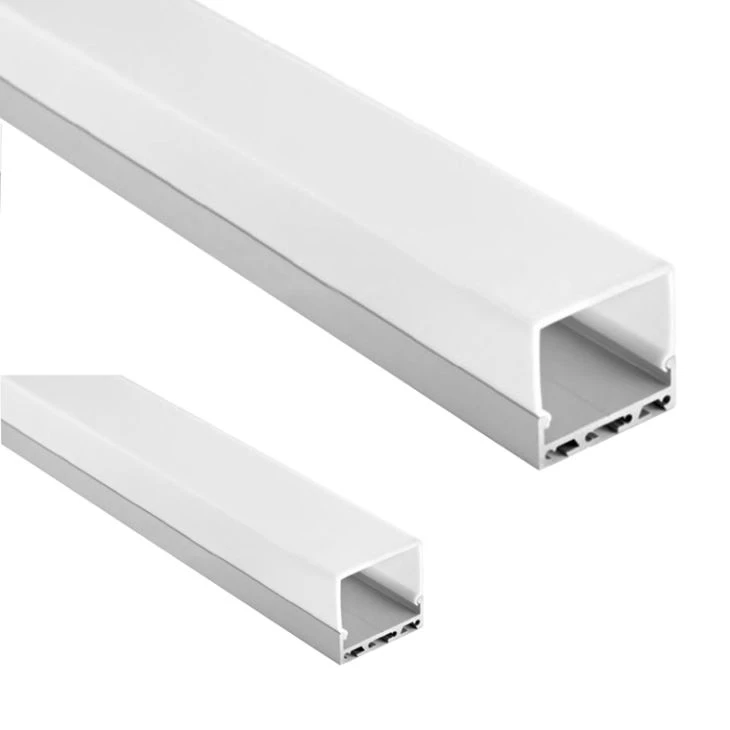
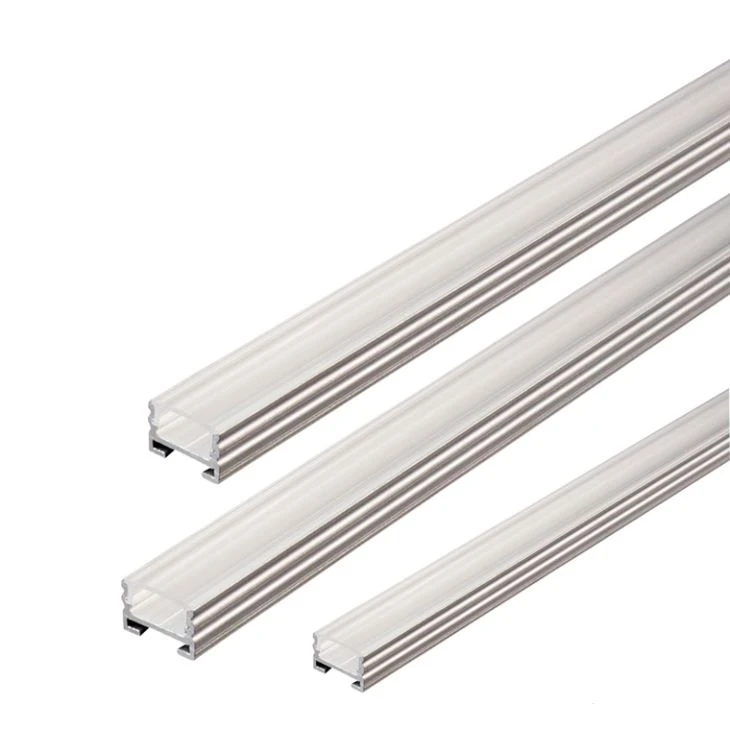
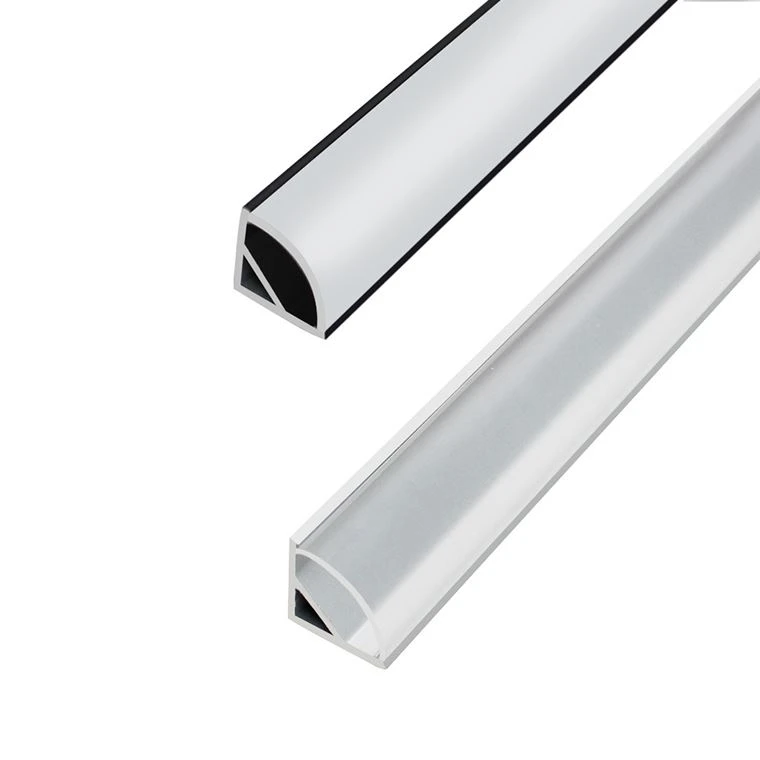
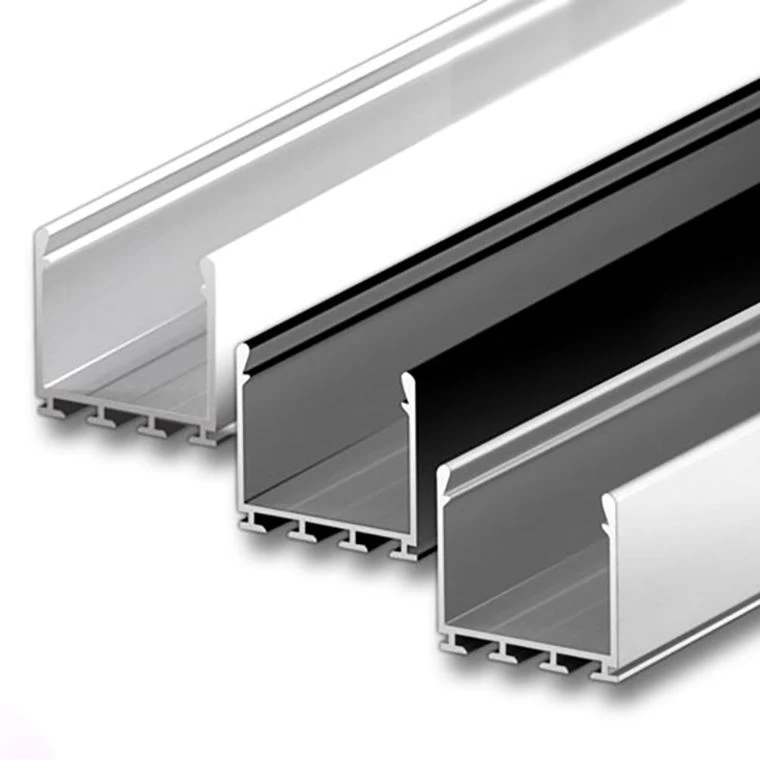
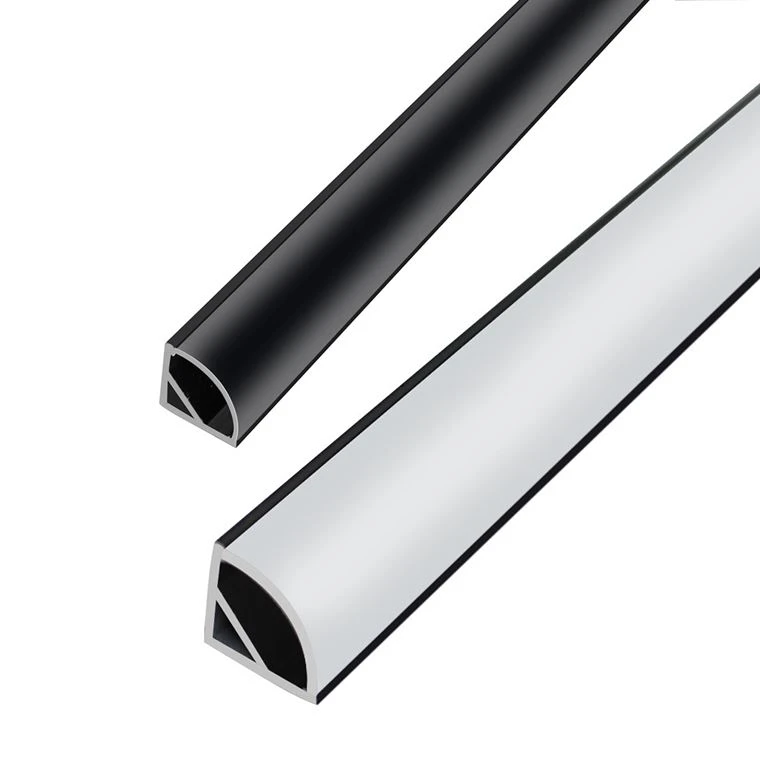
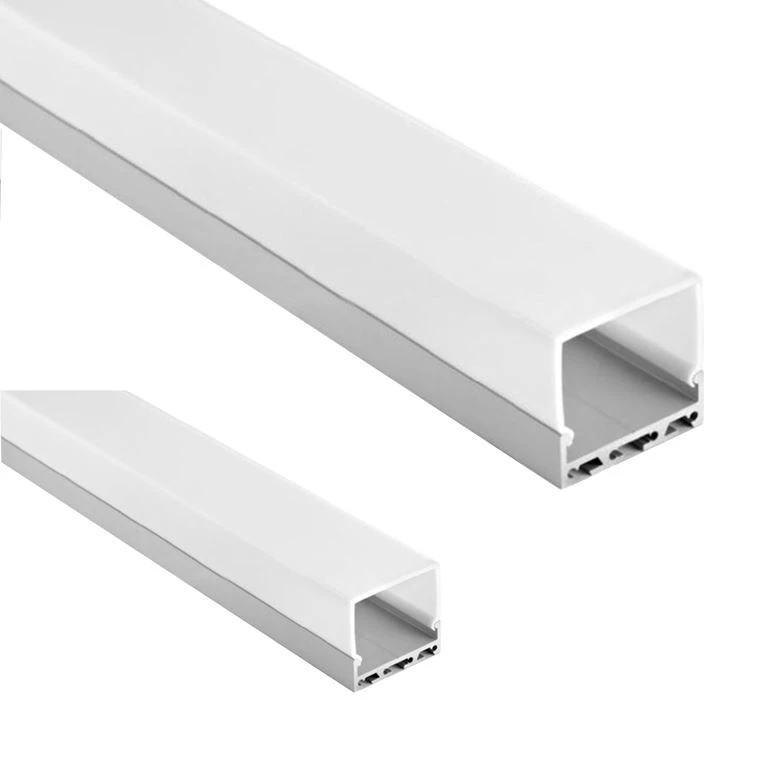
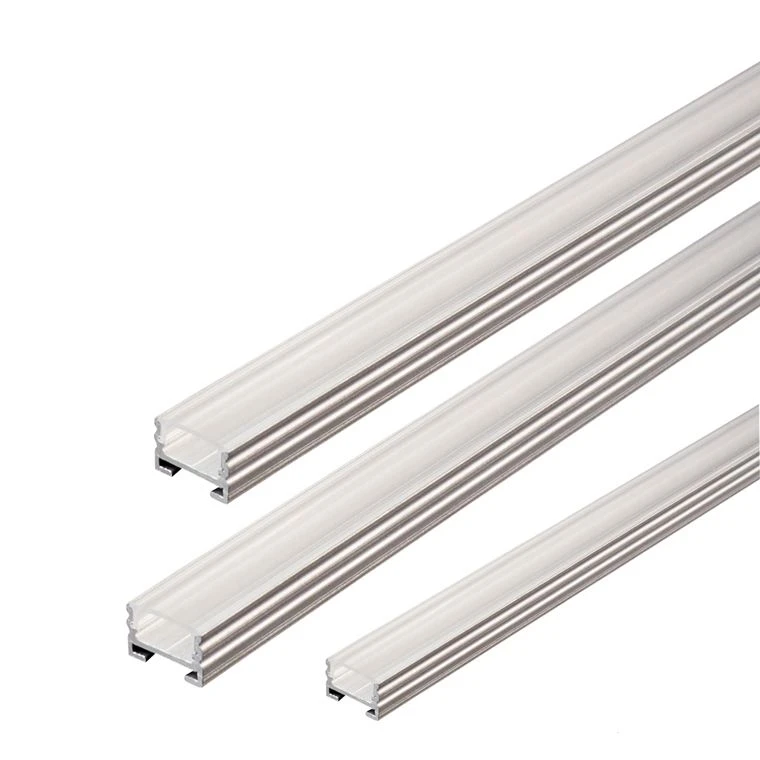
6000 Series Led Lights Industrial T-track
Description
Technical Parameters
Quick Details
Place of Origin: | China |
Grade: | 6000 Series |
| Temper: | T3-T8 |
| Application: | Decorations, Robot Frame, workstations, 3D printer |
| Shape: | T - Profile |
| Alloy Or Not: | Alloy |
| Tolerance: | ±1% |
Processing Service: | Bending, Punching, Cutting, Bending, Welding, Punching, Cutting |
| Surface Treatment: | Spraying,Anodizing etc. |
| Thickness: | 0.4mm~20mm or customized |
Certification: | ISO9001 |
| Length: | 5.8m-6m/customization |
| Packing: | Anti-Collision Paper |
| Unit Weight: | 0.88kg/m or customized |
| Packaging Details: | Kraft paper, carton, stretch film, non-woven fabric and crepe paper, plastic steel strip,customer requirements, etc. |
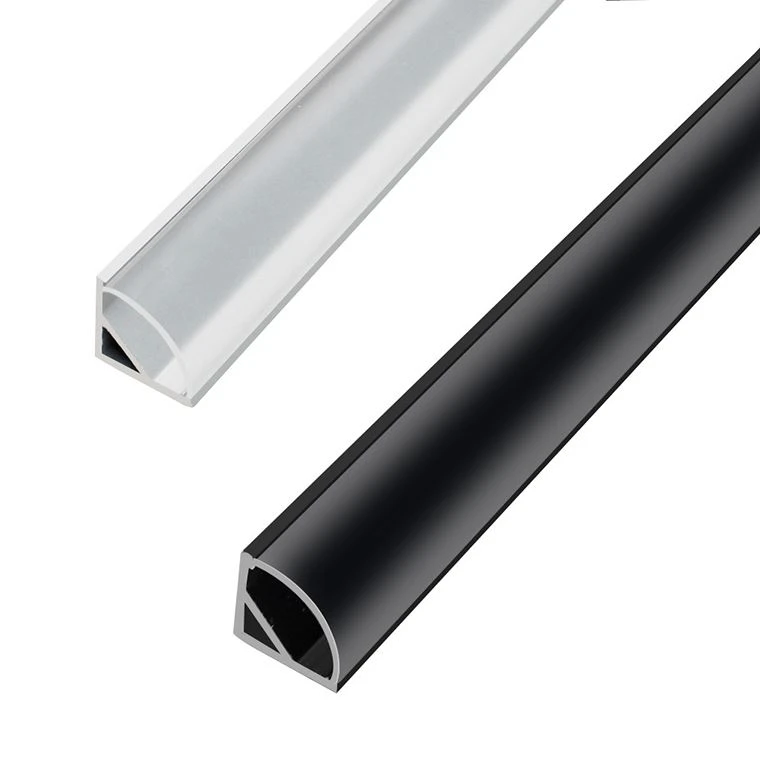
Shows of Product
Contact Us

 Block D, Dianlian Science Park, Matian St., Guangming District, Shenzhen 518106, China
 +8613477665385
Our Company
 | 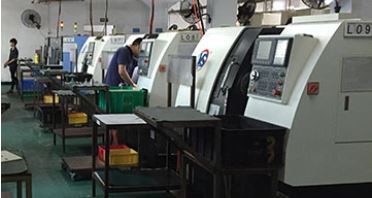 |
CNC Milling WorkshopCNC machining centers, high speed drill and tap center | CNC Turning WorkshopSlant bed CNC turning machine, diameter range from 200 to 630mm |
 |  |
Laser Cutting And Welding WorkshopRobot arm laser welding | Stamping WorkshopHydraulic punching machines from 30 tons to 300 tons |


Packing & Delivery
 |  |  |
| 1. Professional Placement | 2. Plastic Bags | 3. Carton Boxes For Shipping |
 |  | 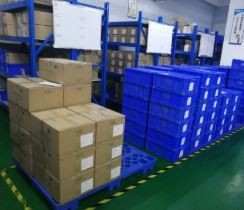 |
| 4. Professional Placement | 5. Professional Shock | 6. Complete Package |
Latest News
 | What are Some Useful Alloys? |
MICHAEL ANISSIMOV
Last Modified Date: June 26, 2020
An alloy is a metallic substance that is made from the mixture of multiple metals or, sometimes, a metal with some other element such as carbon. Alloys have been around for about nine millennia, but like most other domains in science and technology, the bulk of progress in alloy technology has occurred in the last few decades. In an alloy, the constituent elements are not meant to combine into larger molecules through chemical reactions, but are merely mixed together. When there are different ratios between two or more metals, the alloys produced have slightly different properties.
The first metal to be extracted from ore was copper. Shortly thereafter, it was combined with tin to create the stronger bronze, which dominated human technology for thousands of years. This period is now called the Bronze Age.
Other metals mixed with copper to form cruder variants of bronze were manganese, aluminum, silicon, and phosphorous. Co-existing for many years with bronze was the weaker iron, which decays quickly into rust. Eventually, historic forces caused iron to supplant bronze in human tools, ushering in the Iron Age around 1000 BCE, though this date varies depending on the civilization and region being considered.
Steel is another of the familiar alloys. Steel is iron combined with a small (~2%) amount of carbon, making all the difference in terms of strength and resistance to oxidation. Although there is evidence of steel going back thousands of years, it was not mass-produced until 1855. The key to steel’s power is the way in which carbon disturbs the otherwise regular crystal arrangement in iron, making the crystal layers susceptible to sliding past one another.
Brass, a decorative metal used to make many musical instruments, is the name given to a collection of copper/zinc alloys. Cymbals used in percussion are an alloy of copper and tin, like bronze. The gold and silver used in jewelry are not pure gold or silver, but are typically alloys containing a small percentage of copper or other metals. The solder used in electronics is made of lead and tin. The process of extracting iron from ore gives rise to alloys that contain varying amounts of carbon, including wrought iron, pig iron, and cast iron. Stainless steel, used in the construction of skyscrapers, cutlery, and other items, contains chromium, making it highly resistant to oxidation.
When alloys are mixed are different temperatures, different properties result – at higher temperatures, metals are mixed more finely, while at lower temperatures, they are more heterogeneous. Alloys do not usually melt all at once when exposed to heat, but rather form a soup filled with chunks of metal that have a higher melting point.
Hot Tags: 6000 series led lights industrial t-track, China, manufacturers, suppliers, factory, wholesale, customized, made in China
Send Inquiry


